
Looking for a quote? Click below.


Michigan Landlord Insurance from One Source Insurance
Protect Your Rental Property Investment
Owning a rental property in Michigan is one of the most reliable ways to build long-term wealth. Still, it also carries unique risks that standard homeowners’ insurance policies do not cover. Whether you own a single-family rental in Howell, a condo used as an investment property in Birmingham, a duplex in Royal Oak, or a high-value home leased long-term in Bloomfield Hills, having the right landlord insurance (Dwelling Fire Policy) protects your property, income, and liability exposure. It’s important to select the right rental property insurance based on your property type and rental duration to ensure you have the appropriate coverage for your specific situation.
As an independent agency serving Southeast Michigan, we compare multiple top-rated carriers to build a customized landlord policy that matches the way your property is used, long-term, seasonal, or as part of a growing rental portfolio. Michigan rental property insurance solutions are tailored to different property types, such as single-family homes, condos, and multi-unit buildings, to address the unique risks each type presents. While Michigan law does not require landlords to carry landlord insurance, many lenders and property managers require it for compliance and protection.Introduction to Landlord Insurance
What Landlord Insurance Covers
Landlord insurance is designed specifically for rental properties, offering protections that homeowners’ insurance does not include. Common landlord coverages include protection against tenant damage, accidental damage, and liability claims.
Landlord insurance typically covers property damage, loss of rental income, and liability protection. However, standard policies may not cover certain risks, such as flood or earthquake damage, so that additional coverage may be needed.
Liability protection is a key component, as landlord insurance helps protect property owners from liability claims arising from tenant injuries or property damage.
When it comes to tenant-related risks, landlord insurance can help cover repair costs for tenants and accidental damage.
Dwelling Coverage (DP Policies)
- Roof, walls, siding
- Electrical & plumbing systems
- HVAC systems
- Attached structures (garages, decks, porches)
- Foundation
Landlord Liability Protection
Protects you if a tenant or guest is injured on the property and claims you are responsible.
Examples include:- Slip-and-fall injuries
- Dog-bite incidents involving your tenant's pet (varies by carrier)
- Accidents caused by property defects
- Injuries due to failing stairs, handrails, decks, etc.
Liability coverage can help pay for legal fees and settlement costs if a tenant or guest suffers injuries related to unsafe conditions on your rental property.
In affluent areas with higher legal exposure, such as Bloomfield Hills, Birmingham, and Troy, many landlords choose to increase their liability limits or add umbrella insurance.Loss of Rental Income (Loss of Rents)
If a covered loss (for example, fire or storm damage) renders a home uninhabitable, this policy will pay you for lost rental income during the repairs in order to provide assistance until the home can be rented out again. This policy also allows owners to preserve their cash flow while they are unable to rent out their property.
This protection is essential for investors relying on monthly income from properties in Brighton, Howell, Fenton, and South Lyon.Landlord Personal Property Coverage
- Appliances
- Lawn equipment
- Furnishings (for partially furnished units)
- Window treatments
- Tools you keep onsite
Medical Payments to Others
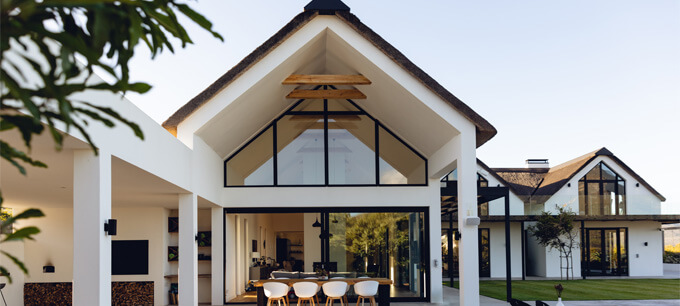
DP-1 vs DP-2 vs DP-3 - Understanding Michigan Landlord Policy Types
Landlord insurance uses Dwelling Fire policies. Choosing the proper form determines how your claims are paid.
Some policies also offer optional coverage to help pay for upgrades required by modern building codes after a covered loss.DP-1 (Basic Coverage)
- Named-perils only (very limited)
- Often, ACV (actual cash value)
- Rarely recommended except for vacant or older low-value properties, or for older housing stock that may not qualify for broader coverage.
DP-2 (Broad Coverage)
- Covers more perils (fire, lightning, wind, hail, vandalism, etc.)
- Often replacement cost
- Better protection for mid-range rentals
DP-3 (Best Coverage)
- Open-peril coverage (covers everything unless excluded)
- Replacement cost of the dwelling
- Most common choice in Birmingham, Bloomfield Hills, Novi, Northville, Troy, Rochester Hills, and Royal Oak
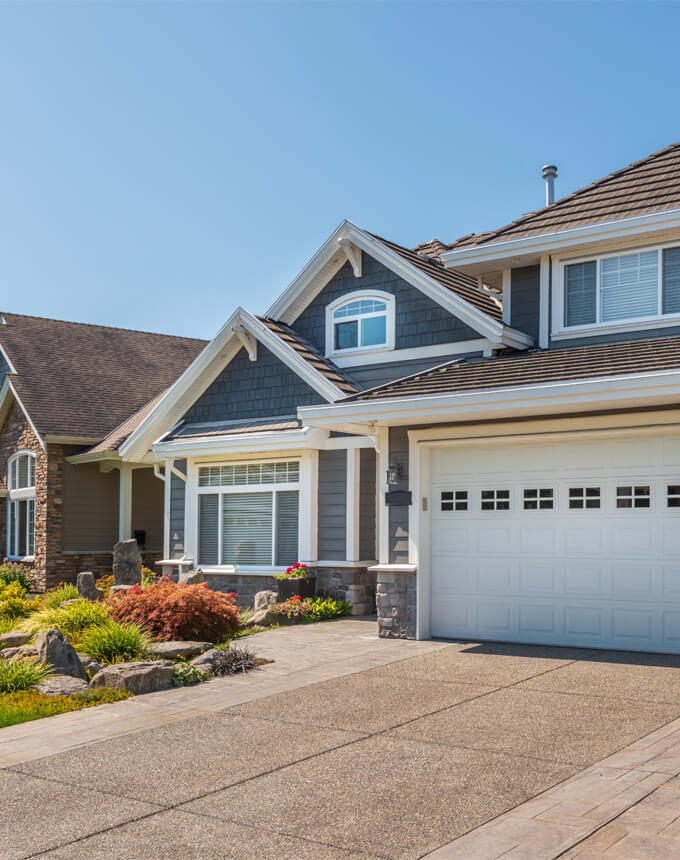
Types of Rental Properties We Insure in Michigan
We offer coverage for nearly every type of residential rental property, including:
Coverage is also available for specialized property types such as student housing near universities, student rentals, vacation homes in lakefront communities, and properties along Lake Michigan, ensuring tailored protection for the unique risks associated with each.Single-Family Rental Homes
The most common form of Michigan rental investment.
Duplexes & Multi-Unit Properties
Landlords who are looking to grow their property portfolios with multifamily investments.
Condos Used as Rentals
HOA requirements vary, so we ensure coverage aligns with the association bylaws. Common in Novi, Troy, Royal Oak, Birmingham, and Rochester.
Townhomes & Attached Units
Require customized coverage due to shared walls and association rules.
High-Value & Luxury Investment Homes
Homes located in Bloomfield Hills, Birmingham, Northville and Rochester Hills are generally more expensive and therefore will have higher levels of Dwelling Coverage Limits, Bodily Injury Liability and more robust Replacement Cost Coverage.
Lake Homes Used for Long-Term Rentals
Properties near Michigan lakes face unique risks, including: Water exposure, Storm damage, Higher rebuild costs.
Standard landlord insurance typically does not cover flood damage so that additional flood insurance may be necessary for lakefront properties. Vacation homes in these areas may also require coverage for outdoor equipment and amenities.Seasonal Homes Used for Annual Rentals
Even if occupied only part of the year, special occupancy guidelines apply.
Michigan-Specific Landlord Risks
Freeze/Thaw Cycles & Frozen Pipes
- Burst pipes
- Ice dams
- Roof leaks
- Structural shifting
Wind & Hail Storm Damage
Storm patterns especially impact:
Brighton, Howell, Fenton, Clarkston, Troy, Rochester Hills, and Wixom.Water Backup & Sump Pump Failure
One of the most common Michigan landlord claims.
Highly recommended for homes with basements.Risks Related to Tenants
- Accidental fire damage
- Damage from pets (varies by carrier)
- Heavy plumbing usage
- Damage caused by neglect (e.g., water damage or mold caused by neglect).
Landlords not only have a legal obligation to provide tenants with a safe living space but also monitor for compliance to laws protecting the rights of tenants in Michigan. As landlords’ continued monitoring of lead-based paint (LBP) is an example of this obligation, it is incumbent upon the Landlords to ensure that they are aware of all potential hazards and comply with the state law regarding lead-based paint (LBP), especially for any properties constructed prior to 1978.
DP-3 policy coverage is significantly more comprehensive in relation to these types of tenant-related risks.
Optional Endorsements Worth Considering
Water Backup Coverage
Equipment Breakdown Coverage
- HVAC systems
- Furnaces
- Water heaters
- Electrical panels
- Appliances
Ordinance or Law Coverage
Service Line Coverage
Umbrella Insurance
- Multiple properties
- High-value homes
- Tenant injury risks
- Exposure in affluent markets
How Much Does Landlord Insurance Cost in Michigan?
Most landlords in Michigan pay between $900 and $1,200 per year for landlord insurance, depending on the property’s size, location, and condition.
Total savings on landlord insurance can vary based on the coverage options you select and your eligibility for discounts.
On average, landlord insurance costs in Michigan are slightly below the national average, making it more affordable compared to many other states.
Additionally, mortgage lenders often require proof of landlord insurance as a condition for financing rental properties.$900 – $2,500 per year
- Property value
- Policy type (DP-1, DP-2, DP-3)
- Location
- Roof age
- Liability limits
- Tenant type (student, long-term, subsidized, etc.)
Comparing Quotes and Policies
Finding the Right Landlord Insurance
Common Landlord Insurance Questions
01. What type of insurance do I need for a rental property in Michigan?
02. Does landlord insurance cover tenant belongings?
03.Does landlord insurance cover Airbnb or short-term rentals?
04. Does landlord insurance include loss of rent?
05. Do I need landlord insurance for a condo I rent out?
06. Is landlord insurance required in Michigan?
Service Areas
We proudly serve landlords throughout Southeast Michigan, including:
- Howell
- Brighton
- Birmingham
- Bloomfield Hills
- Clarkston
- Farmington
- Farmington Hills
- Fenton
- Northville
- Novi
- Rochester
- Rochester Hills
- Royal Oak
- South Lyon
- Troy
- Wixom

Request a Michigan Landlord Insurance Quote
